
1 min reading time
Location
10 Union Street, London
Save appointment
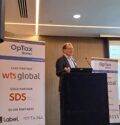



As a Gold Sponsor, SDS was represented at this leading industry event and actively contributed its expertise to the professional exchange. The conference offered an excellent opportunity to connect with experts, decision-makers, and market participants, gain valuable insights, and discuss current trends. The intensive dialogue once again highlighted the importance of digital, efficient, and compliance-driven solutions for the future of tax reporting—an area in which SDS strategically contributes its expertise and innovative strength.
Reducing Complexity, Increasing Efficiency
The documentation of tax-relevant information is still largely performed manually today and is often shaped by differing national tax regimes. In particular, cross-border scenarios involving foreign taxpayers or institutional investors significantly increase process complexity.
With the digital tax certificate, the European Union is laying the foundation for a future-oriented and electronic handling of tax-related processes. As part of the FASTER initiative, this creates an opportunity to harmonize existing procedures, increase transparency, and sustainably reduce administrative effort.
Operational tax processing also offers numerous opportunities for standardization and automation. Especially when dealing with different tax regimes in the context of tax withholding and subsequent reporting, modern digital solutions can help make processes more efficient, minimize risks, and strengthen compliance in a sustainable manner.
MiKaDiv – The Final Steps Before Implementation
The session focuses on the final publications issued by the German authorities and their practical implications for reporting—particularly for non-German intermediaries.
MiKaDiv, QI, and International Tax Requirements
Particular attention at OpTax for Banks 2026 was given to two groundbreaking tax regimes that are significantly shaping the future of international tax reporting. One key focus was MiKaDiv in Germany, which is considered an important precursor to the European FASTER initiative. Recent publications by the German authorities introduce specific requirements that must now be integrated into existing systems and processes.
The U.S. Qualified Intermediary (QI) reporting regime was also discussed extensively. With the introduction of a new electronic reporting process and a central portal, financial institutions are facing significant changes. In addition to technical adjustments, new roles and responsibilities vis-à-vis the IRS are creating far-reaching regulatory and legal requirements.
Furthermore, the conference provided valuable insights into the practical challenges of cross-border taxation. In particular, the application of double taxation treaties highlights the high complexity of international tax processes and underscores the need for efficient, transparent, and future-proof solutions.